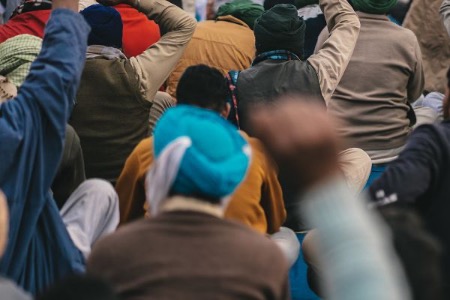
Over the past decade, the issue of farmer suicides has become a great source of concern in India, with more than one lakh farmers committing suicide between 2015 and 2022. This staggering figure underscores the fact that agricultural policies often fail to deliver on their promises.
In 2014, the BJP promised to enact the Minimum Support Price (MSP) based on Dr. M.S. Swaminathan’s recommendation advocated a cost of production plus 50 percent. However, this promise failed to materialize as the government lost sight of MSP for several years. In anticipation of the upcoming budget for 2024, the country’s farmers have high hopes for meaningful MSP reforms.
Seed, fertilizer, diesel, and electricity bills have gone up, increasing the cost of farming. Consequently, farmers find it difficult to keep their farms running at a profit because costs grow faster than income. They want essential inputs to be cheaper and secure returns through MSP.
Another alarming development is the private sector’s involvement in important aspects like irrigation and fertilizer production. State agencies once managed these sectors, but now private players dominate them, raising questions about accessibility and affordability for smallholders. The majority demands that these sectors go back under public administration so as to ensure fair pricing and availability.
Debt is another urgent matter. While the latter saw Rs. 16 lakh crore in corporate loans written off, the former remains largely ignored. Debt heavily burdens farmers, and since a few years ago, this illness has been causing an increase in deaths, leading to a significant number of farmer suicides. A comprehensive debt release could provide significant relief.
However, crop insurance schemes that aim to protect farmers from natural calamities are known to favor insurance companies. To ensure that programs like Pradhan Mantri Fasal Bima Yojana truly benefit farmers during severe hardships, we need to introduce reforms.
Additionally, irrigation and power necessary for agriculture have shifted hands to private enterprises, which have made them inaccessible and unaffordable to small-scale farmers who rely on them heavily and dependently. Many people are calling for increased government spending in these areas to ensure their reliability and affordability.
Once a lifeline for many, the Mahatma Gandhi National Rural Employment Guarantee Act (MGNREGA) declined, resulting in low wage rates. Farmers are demanding the revival and strengthening of such initiatives.
Many companies are buying land for industrial projects, which is a major concern, especially in tribal communities in states like Jharkhand. Farmers want adequate compensation and safeguards against their land rights.
India’s farmers are clear about their expectations from the 2024 budget, which include the implementation of MSP, reduced input costs, debt forgiveness, effective crop insurance, revived public sectors, improved rural employment schemes, and protection of land rights. The future of Indian agriculture depends on these vital reforms, which will ensure a sustainable and just future for our farmers.