Women in Peril: The Systematic Devaluation of Female Lives in India
The horrific murder and rape of a female physician at RG Kar Medical College exposes India’s dismal inability to protect its women. This is not merely another statistic on the endless list of acts of violence against women. It is a denunciation of a society that has lost its moral compass. A society that truly upholds women’s rights must ensure that all women, regardless of their background, can feel safe in public spaces. Tacitly condoning violence against women undermines claims of gender equality.Women face a constant threat, with their bodies often treated as battlegrounds in a conflict they never chose.
Every woman who suffers an attack represents more than just a statistic; she embodies a life profoundly affected, a future compromised, and an indication of the systemic issues undermining the community.
The persistent pattern of brutal crimes
The recent rape and murder of a junior doctor at RG Kar Medical College in Kolkata has sent shockwaves across India, reigniting the nation’s ongoing battle against violence towards women. This heinous crime is the latest in a series of horrific incidents that have shaken the country, including the Nirbhaya case and the injustice faced by Bilkis Bano.
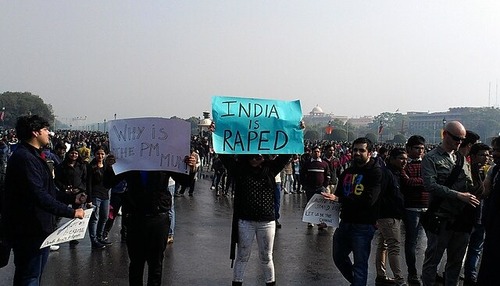
In December 2012, the gang rape of a young woman on a moving bus in Delhi shocked the nation. The media named her ‘Nirbhaya’ meaning fearless, but the violence she faced was unimaginable. Her severe injuries led to her death, causing nationwide outrage. People demanded justice and stricter laws for protection against assault on women, marking the beginning of India’s fight against sexual violence.
Public outcry forced law enforcement to act, arresting and prosecuting the assailants. After years of legal battles, the court sentenced four men to death, and their execution took place in 2020.
Amidst national outrage, some politicians and public figures questioned why Nirbhaya was out so late, shifting responsibility for sexual violence onto her rather than the perpetrators. This victim-blaming mentality reflects a society that still struggles to fully support or protect women.
The Nirbhaya case was meant to serve as a wake-up call for society, yet it fell short of effecting meaningful change. While a handful of perpetrators were executed and labeled as justice, the entrenched misogynistic tendencies that contribute to such violence were left unaddressed. The notion that a few “bad apples” can be removed without confronting the underlying systemic issues—the “rotten trees”—is misguided.
During the 2002 Gujarat riots, gangs raped Bilkis Bano while she was pregnant and murdered 14 of her family members. In 2008, after a protracted legal battle, the court sentenced 11 men to life imprisonment. However, the early release of these men in 2022 caused shock and raised questions about the reliability of the justice system. This early release devalues the lives of women and sends a disturbing message about handling sexual violence cases.
In 2024, yet another horrific incident has occurred: a doctor was raped in her own hospital. The victim was not out at odd hours, wearing provocative clothing, or loitering in dangerous neighborhoods; she was a resident doctor on duty in her workplace.
This crime is not just an attack on one individual but on the idea of safety in professional spaces. If a doctor isn’t safe in a medical institution, where can any woman feel secure? This event reveals the emptiness behind institutions’ assurances of safety and dignity towards women. India remains trapped in a cycle of violence.
The National Crime Records Bureau (NCRB) reported 87 rapes daily in India in 2019, registering a total of 32,033 cases throughout the year.
This includes the RG Kar Medical College incident to the Barabanki rape case, where two mentally challenged women were gang-raped at a shelter home meant for their protection in Barabanki, Uttar Pradesh. The attack, perpetrated by multiple individuals, exposed severe deficiencies in the shelter’s security and oversight. This incident has sparked widespread outrage and highlighted systemic failures in protecting vulnerable individuals in care facilities, prompting calls for urgent reforms and accountability.
The Unnao rape case exposed the relationship between power and impunity, while the rape of an eight-year-old baby in Kathua left many questioning their own sanity. These are but a few examples—not isolated, but symptoms of a malaise affecting the entire nation.
The Failure of Judiciary and Institutions
Women seeking justice in India find their last hope in a judiciary system; that is now a joke. The early release of the rapists in Bilkis Bano’s case is not just a miscarriage of justice; it’s a bold statement that women’s lives and suffering are inconsequential before the law.
In the Unnao case, the police’s refusal to act on a young woman’s desperate pleas allowed her rapist—a powerful man—to later attempt to kill her. This isn’t just negligence; it is complicity, reflecting a system that prioritises the powerful over the vulnerable.
Statistics highlight this systemic failure. A study by National Law University, Delhi, reported that the conviction rate for rape cases in India in 2019 was just 27.2 percent, meaning perpetrators walk free in nearly three out of four cases. The average time to resolve a rape case was 1.8 years, with some cases dragging on for over a decade. Justice delayed is justice denied, and it remains an elusive dream for many women in India.
The alarming trend of leniency and its broader implications
The leniency towards rapists and murderers isn’t just a failure of the justice system. Every reduction of sentence, early release, or dismissal of a complaint fuels a raging fire.
The release of Bilkis Bano’s rapists raises a rallying cry for every potential rapist as a grim reminder that in India, the most heinous crimes against women could be forgiven, forgotten, and even celebrated. This stands in stark contrast to cases like the Hyderabad veterinarian’s rape and murder, where swift police action led to the execution of the accused. The disparity exposes how justice is arbitrary, based on the whims of those in power.
Complacency has led to widespread violence and devastation, perpetuating a culture in which fear is ingrained in the lives of countless women. This crisis calls into question the integrity of societal values and the true extent of progress. Addressing these issues requires collective action and a commitment to creating a safer environment for all.
This war against women must end now. Otherwise, the alternative is too horrifying to imagine— a country where half the population lives in constant terror and justice is a luxury, with humanity as the ultimate casualty.
The path forward
The cases of Nirbhaya, Bilkis Bano, and the doctor at RG Kar Medical College underscore a critical and systemic failure to uphold women’s rights and dignity. Their experiences highlight a pervasive and unacceptable reality in India, where no individual—be it a child, a student, or a professional—is secure. This crisis reveals a profound and alarming breakdown in the system, signaling a grave failure to protect and serve all members of society..
The roots of the issue run deep, and change must start within families. Respect, consent, and the value of every human life should be instilled from childhood. Education alone isn’t sufficient; it’s also essential to challenge the toxic masculinity that fuels these crimes. A system that takes crimes against women seriously and ensures swift justice is essential. Rapists and abusers must face the consequences they deserve.
Most importantly, change must come from within each individual. Questions like, “What was she wearing?” and “Why was she out so late?” must be replaced with inquiries directed at the perpetrators—no excuses should be tolerated. Raising voices for justice and demanding nothing less is essential in the fight against violence toward women.
Maya Angelou once quoted, “I am not free while any woman is unfree, even when her shackles are very different from my own.” This powerful truth underlines collective responsibility to ensure that every woman can walk freely and live without any fear.