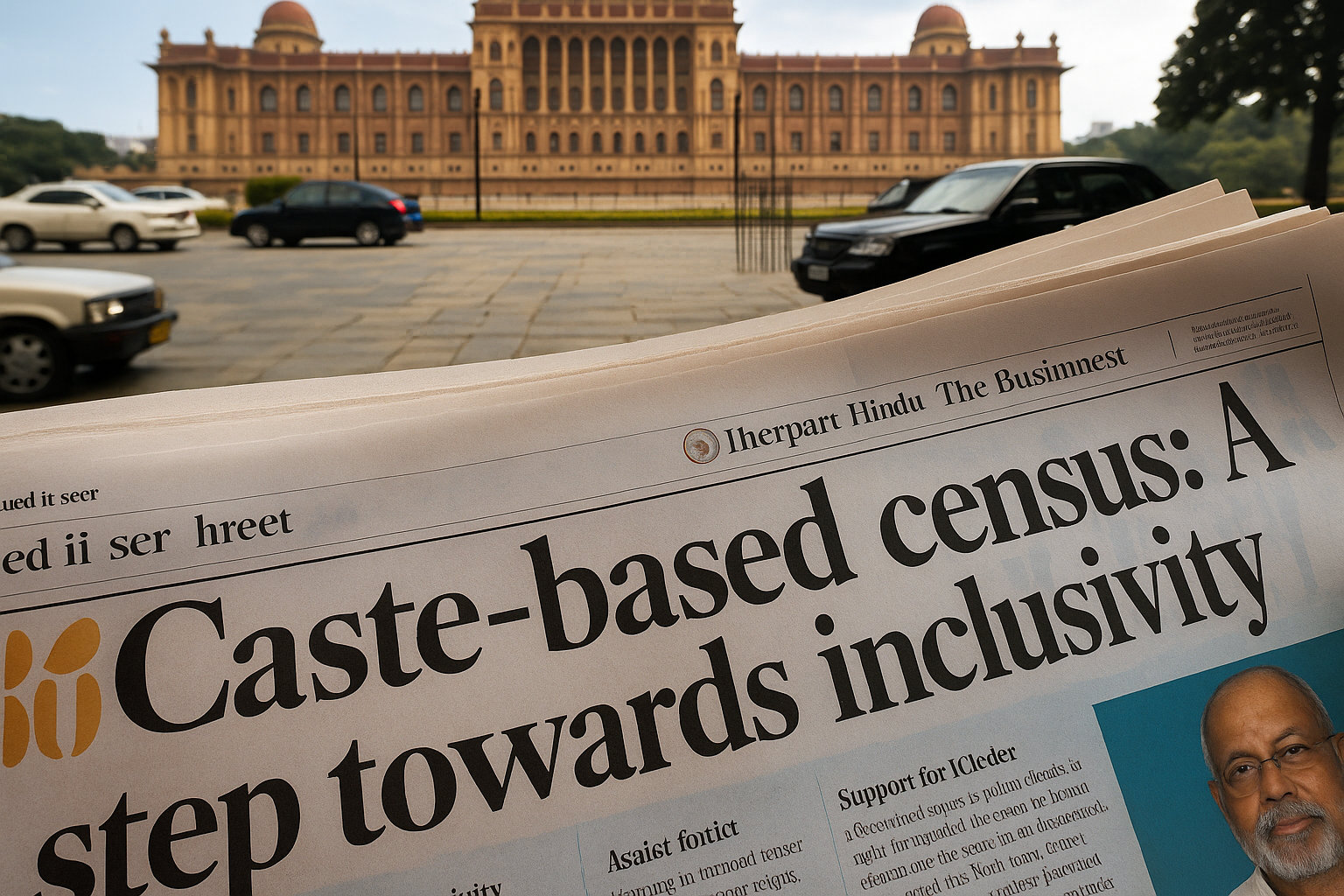
Caste Census Takes Center Stage in Parliamentary Committee Discussions
In a significant turn of events, the caste-based headcount has emerged as the main topic of discussion within the Parliament’s Committee on Welfare of Other Backward Classes. Chaired by senior BJP MP Ganesh Singh, the committee has chosen to focus on the long-standing issue of the caste census in its upcoming sessions. This decision comes in response to ongoing demands from committee members to tackle this sensitive and politically charged matter.
The agenda for the Committee includes reviewing the performance of the National Commission for Backward Classes (NCBC) and assessing the support provided by various Union Ministries and Departments for the welfare of OBCs. However, the caste census has captured the most attention. In a recent meeting, DMK MP TR Baalu and Congress MP Manickam Tagore stressed that the caste census should be prioritized. They contended that the Home Ministry, which oversees the decennial census, must clarify how caste data will be integrated into the upcoming census. While there is widespread agreement on the necessity of including caste in the census, the specifics of its implementation remain unclear.
Support for prioritizing the caste census was also voiced by JDU MP Giridhari Yadav and Trinamool Congress MP Kalyan Banerjee. Banerjee even suggested a restructuring of the NCBC to better meet the needs of economically weaker sections and enhance OBC representation in areas such as the judiciary and educational institutions.
The committee’s forthcoming discussions will delve into these matters, representing a pivotal moment in the ongoing conversation about caste-based data and its implications for social and economic policies. The results of these discussions could significantly influence how resources and opportunities are distributed among OBCs.
The Census of India, an essential tool for grasping the country’s demographics, has a rich history that dates back to the first official census in 1871 during British rule. This initial count laid the groundwork for a systematic approach to data collection.