From Shadows to Spotlights: How Media is Reshaping LGBTQ+ Narratives in India
The LGBTQ+ community in India has been subjected to deep discrimination and social ostracism, largely due to the legacy of archaic, colonial-era laws imposed by the British Raj, most notably through Section 377 of the Indian Penal Code (IPC), enacted in 1861. Section 377 criminalized any form of “carnal intercourse against the order of nature” with any man, woman, or animal. This vague phrase was interpreted to include consensual homosexual acts, particularly male same-sex relationships. Section 377 was used to persecute and harass LGBTQ+ individuals for over a century, stigmatizing and marginalizing them within society. It reinforced societal prejudice and institutionalized discrimination against the LGBTQ+ community in India. whose policies were deeply prejudiced against every aspect of Indian society. Even though ancient Indian texts such as Manusmriti, Mahabharata , Arthashastra recognized diverse gender identities and sexual orientations, contemporary society, for the most part, has frowned upon suchbehaviour, forcing LGBTQ+ people to lead concealed lives in trepidation.
The British colonial legacy has left its mark on India when it comes to LGBTQ+ rights. The 2013 Supreme Court ruling criminalizing homosexuality was a significant setback, but the 2018 Supreme Court verdict decriminalizing same-sex relations has been perhaps the most significant milestone.
Media as a catalyst for change
Media has been pivotal in changing the perception regarding the LGBTQ+ among the young generation through films, TV serials, and social media. With Kapoor & Sons and Ek Ladki Ko Dekha Toh Aisa Laga, Bollywood has opened up the screen to the queer characters and depicted them with great sensitivity and with the essence of normalcy. OTT platforms such as Netflix and Amazon Prime have created room for more provocative content and representation of the LGBTQ+ community and their lives, thus normalizing LGBTQ+ narratives and exposing viewers to diverse experiences.
The impact of youth-led movements and cultural changes.
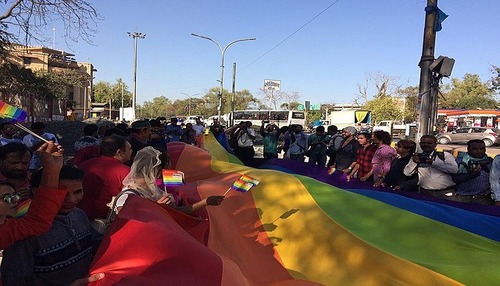
It is also important to note that there have been several youth-led movements and cultural changes that have supported the fight for the rights of the LGBTQ+ community. Youngsters are not hesitant to come out in support of the LGBTQ+ community, and the awareness has been increasing steadily. Hashtag campaigns such as #QueerAndProud and #IndianLGBTQ+ have given the people the platform to be who they are and embrace themselves and others. However, media representation issues persist and are often met with criticism. Tokenism and stereotyping, although less severe than in Hollywood, remain prevalent in Bollywood Or instance, movies like “Dostana” (2008) included LGBTQ+ themes, but the characters were exaggerated and used for comic relief rather than offering a genuine portrayal of the LGBTQ+ community.In “Shubh Mangal Zyada Saavdhan” (2020), a film featuring a gay couple, the storyline focuses more on comedic elements of the relationship rather than the complexities of the LGBTQ+ experience in Indian society. Although the film signals inclusivity, the characters still lean heavily on stereotypical depictions of gay men; many mainstream Bollywood films employ caricatured representations of gay characters. And yet another major concern is the dichotomy between urban and rural experiences, with the majority of media depictions portraying the lives of LGBTQ+ people in urban settings while ignoring the rural LGBTQ+ population.
Internal Changes in the Media Industry
The media industry is dynamic, and the future is bright for the LGBTQ+ people as they are taking leadership roles in media production. Filmmakers Onir and Apurva Asrani are among the filmmakers who have worked to construct the authentic queer stories. Onir is known for directing films like “My Brother… Nikhil” (2005), one of India’s first mainstream films to address homosexuality and HIV/AIDS with compassion, and “I Am” (2010), which highlights the fear and oppression faced by gay men due to Section 377. Apurva Asrani wrote the screenplay for “Aligarh” (2016), a powerful film based on the true story of a professor persecuted for his sexual orientation, offering a sensitive and humanizing portrayal of LGBTQ+ struggles in India.. Independent media sources have become the driving force of activism for equal rights for homosexuals and other gender minorities, with websites such as “Varta” dedicated to the coverage of gender and sexual minorities. Media has been instrumental in constructing the public view of the LGBTQ+ community in India. Media’s portrayal of the LGBTQ+ has shifted from erasure and stereotyping to more nuanced, complex representations. Media has proved to be an influential tool for change through advocating for change and bringing to light a suppressed group. However, issues and concerns regarding media representation are still present; challenges like tokenism, stereotyping, and the urban-rural divide still exist.
Impact of Certain Films on the LGBTQ+ in India
Films like Kapoors and Sons and Ek Ladki Ko Dekha Toh Aisa Laga have really revolutionized how we see LGBTQ+ representation in India. Not only did these films give space to queer characters but also normalized queer narratives and, most importantly, challenged the heteronormative! And in fact, their success has already opened gates for much more inclusive content in Bollywood.
Analysis of Media Influence on LGBTQ+ in India
Media has shaped how society perceives the LGBTQ+ community in India, from being invisible to being caricatured and now being represented candidly, with space to express their realities. The role of the media in challenging societal norms is undeniable. The media has been a powerful tool consistently employed to challenge established social standards and reintegrate historically disenfranchised individuals into society. Nevertheless, media organizations continue to exhibit prejudice towards specific types of representation as a result of tokenization concerns or the urban-rural divide. films like “Shubh Mangal Zyada Saavdhan” (2020) rely on exaggerated, comedic depictions, while shows like “Made in Heaven” focus on elite, urban queer experiences, neglecting the realities of LGBTQ+ individuals in rural settings.
Inclusive Storytelling and Solutions
Inclusive storytelling can be achieved by developing content that reflects the experiences of LGBTQ+ people in rural settings, depicting their unique struggles and successes. This approach helps bridge the rural-urban divide and fosters empathy. Opportunities should be provided for silenced voices within the broader LGBTQ+ community, women, and nonbinary individuals, allowing them to share their perspectives. Content should also be made accessible to rural areas, using simple, jargon-free language and offering media in various formats, such as audio, video, and text. Additionally, programs can help rural LGBTQ+ individuals access technology for information and support groups for connection. Partnering with local organizations or media outlets can further promote LGBTQ+ acceptance in rural areas. Continuous monitoring and evaluation of representation efforts ensure accuracy and inclusivity.
The journey of LGBTQ+ representation in Indian media has been transformative, evolving from invisibility and caricatures to more nuanced and dedicated portrayals. The changing landscape of fictional media has certainly had a significant impact, widening space for change and representation that challenges traditional norms that the community is trying to impose on them. Substantial but limited progress. This is just the tip of a larger cultural change.
Moving forward, the media must balance progress with cultural sensitivity, striving for three-dimensional representations that avoid both stereotypes and tokenism. Increased LGBTQ+ visibility in media not only serves the community but enriches society as a whole. It will be essential that progress is made in a way that creators maintain cultural sensitivity and strive for only three-dimensional characters who are neither stereotypes nor tokens. An increase in LGBTQ+ representation within the media has benefits far beyond that of serving existing members of our community; it aids in providing a voice to underprivileged minority groups and enriches society with new perspectives as well as insight into different sexual identities while working towards encouraging conversations with diverse perspectives, inspiring conversations, and offering new role models.
As media representation continues to evolve and society progresses, India has the potential to become a more inclusive and equal place for all, regardless of sexual orientation or gender identity. The road ahead requires ongoing commitment from media creators, audiences, and society at large to foster understanding, acceptance, and celebration of LGBTQ+ experiences and identities.