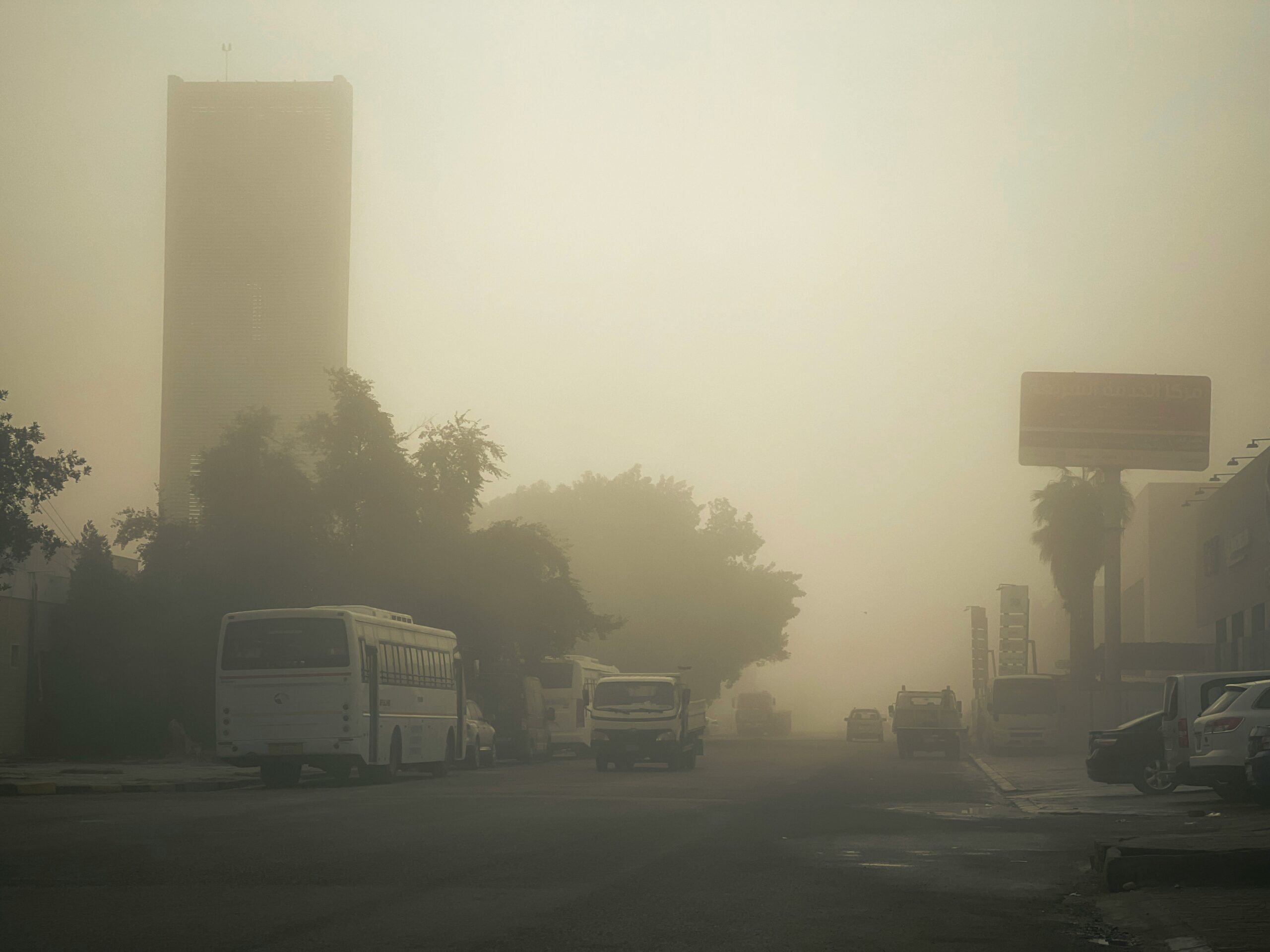
Delhi Suffocates as Pollution Reaches Critical Levels
For the past two weeks, air quality in Delhi has been at alarming levels, drawing global attention to pollution in India’s capital. Known for its dense population and rapid development, Delhi has long faced air pollution challenges, especially with its growing rates of respiratory illnesses among children and the elderly. Hospitals and childcare centers report surges in patients with lung-related ailments, with the city often labeled a “pollution hotspot.”
One of the commonly blamed factors for Delhi’s pollution spike is stubble burning in the nearby states of Punjab and Haryana, where farmers burn leftover crops after harvest. This practice, mainly in the Kharif (monsoon) and Rabi (winter) seasons, has contributed to smoke in Delhi but accounts for less than 10 percent of its total pollution. Nevertheless, the media has spotlighted this issue in recent years, sparking debates over whether farmers should be held accountable. In 2021, the Supreme Court addressed this issue, advising that stubble burning is not the primary reason for Delhi’s pollution but should be limited when possible. With modern harvesting machines producing more residue, waste management has become challenging for farmers, leading to an increase in waste burning.
Delhi’s own rapid growth, however, is a major pollution source. The city’s ongoing construction projects, including expressways, high-rise apartments, and transit hubs, have intensified dust pollution. In areas like East Delhi, initiatives like the East Delhi Hub, and highways like the Delhi-Mumbai and Delhi-Dehradun expressways, bring new infrastructure but also dust clouds around construction zones. Heavy construction around residential areas worsens air quality, with harmful particles like PAH, lead, and silica in the dust causing respiratory problems.
Vehicles are another contributor to Delhi’s air crisis. Despite efforts to promote electric vehicles (EVs), the city still has over 13 million registered vehicles, most of which are petrol or diesel-powered. An IIT Kanpur study revealed that road dust and vehicle emissions are Delhi’s primary pollution sources, accounting for 42 percent of PM10 particles and nearly 47 percent of PM2.5 emissions. Industrial activities in neighbouring areas also add to the pollution burden.
Delhi has implemented several policies to combat these pollution sources. The National Clean Air Programme (NCAP), introduced in 2019, aims to reduce particulate matter by 20–30 percent by 2024 through targeted efforts against road dust, vehicle emissions, and industrial pollutants. Additionally, Delhi’s Graded Response Action Plan (GRAP) enforces emergency measures based on air quality, such as halting construction and using cleaner fuels, to reduce particulate pollution.
In response to the latest pollution levels, the Delhi government has restricted building demolitions and limited vehicle use. Firecracker bans, enforced through January 2025, aim to curb pollution during Diwali, a time when air quality worsens across the nation. This year, Delhi stands alone in banning fireworks, signalling a stronger commitment to tackling air pollution.
Delhi’s pollution crisis underscores the urgent need for a city-wide commitment to sustainable practices and pollution control. The path to cleaner air lies not just in regulating external factors like crop burning but in addressing the core urban sources within Delhi itself—vehicular emissions, dust from construction, and industrial pollution. To ensure a healthier future, Delhi must prioritize long-term measures that balance growth with environmental responsibility, fostering awareness and coordinated efforts across all sectors. Only with consistent action can the city hope to reduce pollution levels and secure a livable, breathable environment for all its residents.