Power Play Post-Election: Pulse of the People, Political Prospects, and Persistent Patriarchy
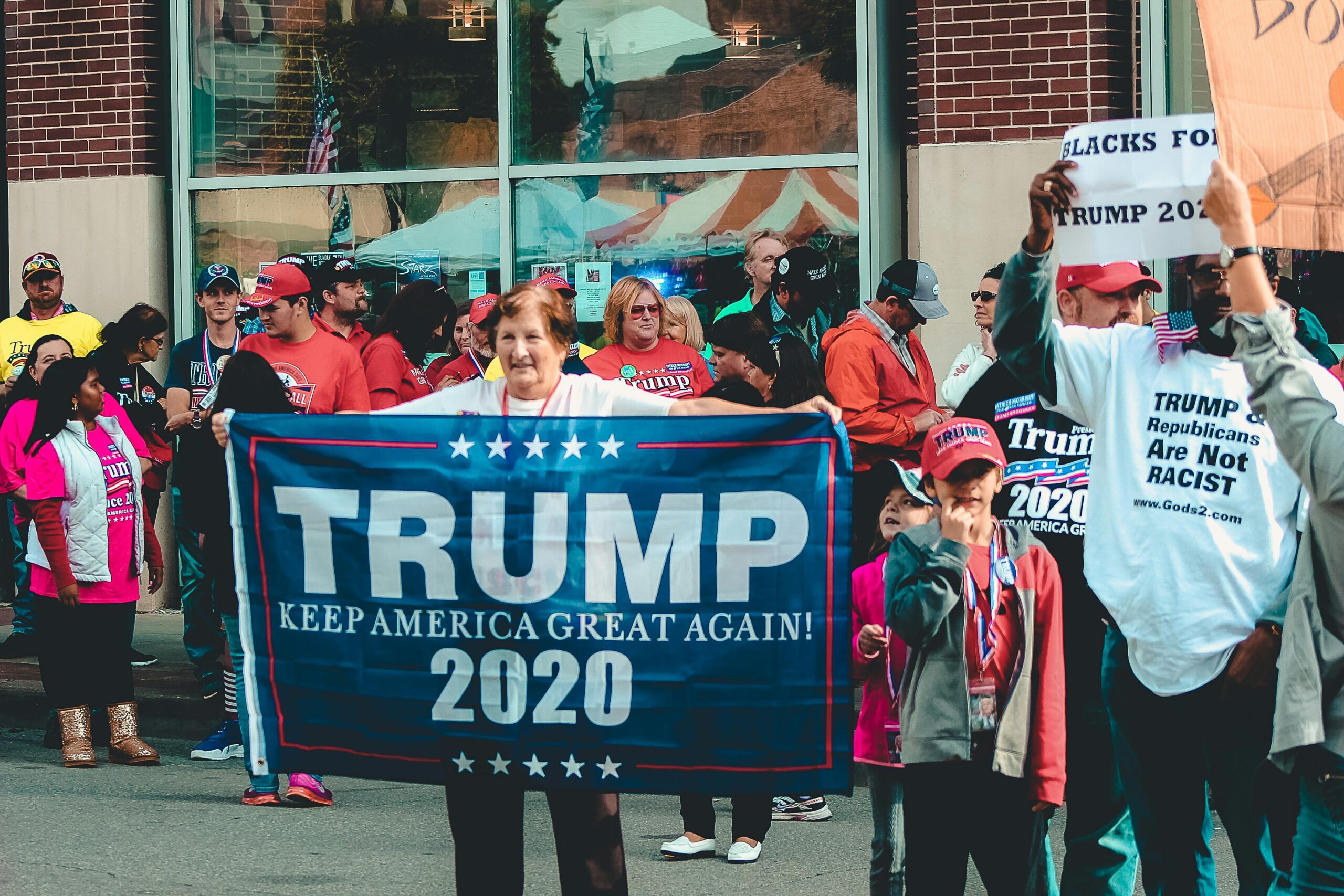
The 2024 election results have once again placed Donald Trump at the helm, a development that has deeply polarized the American public. Trump declared, “Success is going to bring us together, and we are going to start by all putting America first,” in his victory speech. Trump’s return will be a fresh opportunity to renew certain aspects of his previous policies and unify the country under a renewed sense of patriotism for supporters. For others, victory brings potential challenges up ahead. This only raises further questions about the future of America under Trump and explores ongoing barriers created for women regarding the pursuit of the presidency.
From fervent support to strong opposition, his re-election reflects the intensity of partisan divides that continue to shape America. This article in light of this historical moment explores two central questions: What do Trump’s returns mean for America’s policy direction, international relations, and social fabric? And perhaps more critically, why do female candidates still face entrenched obstacles on the path to the presidency?
It’s not as if the U.S. electorate’s response to Trump’s election has been anything close to uniform. Trump’s base, especially in rural and conservative-leaning states, celebrated his return as a reclamation of American values-for example, on border security and deregulation. Urban areas and states with Democratic-leaning traditions have expressed relative anxieties, especially over such issues as climate policy, healthcare, and social programs.
The latest available data found that 56 percent of voters aged 18 to 29 opposed Trump’s return, while a strong majority of older, conservative voters embraced it. This generational divide has always highlighted the contrasting perspectives of what America’s future should entail.
Political leaders, along with news, did not take long to react to the news, to which Democrats threatened the rollback of progressions. Prominent Democrats, such as former candidates and big-name politicians, were critical of the election on issues of reproductive rights, healthcare, and climate change issues the president had previously enacted conservative action upon. The Republican leadership touted the election as an opportunity to endorse conservative values-economic growth, and security further. Conservative media outlets focused on the theme of “restoring America,” while more progressive liberal media sounded alarms.
Social media was the megaphone for public reaction, with trends emerging on Twitter mere hours after the election’s announcement. Grassroots movements were quick to jump up, especially in among younger demographics and those who are farther left, which called for activism around themes including environmental justice and rights for women. Trump supporters utilized social media, including Truth Social, to organize and voice their support, pinning policies they believe will best serve American interests.
Trump’s return is expected to usher in significant policy changes, especially in fields such as immigration, health care, and taxation. Initial pronouncements indicate a border security agenda and possibly tighter immigration controls than those of his predecessors and likely renewed tax cuts aimed at accelerating economic growth.
Other data from his first term in office reveal cuts in corporate tax rates from 35 percent to 21 percent, which many believe contributed to economic growth. In addition, Trump’s policy legacy will be realized in the environmental legislation arena, where his previous administration’s deregulation efforts are already causing an outcry. Based on his stance on climate change, Trump might seek to roll back the constraints on fossil fuels. Notably, Project 2025, a conservative policy roadmap developed by the Heritage Foundation, outlines plans to dismantle climate initiatives, defund renewable energy programs, and expand oil and gas drilling, potentially accelerating environmental degradation.
In the international arena, Trump’s previous presidency already shifted old relations when his “America First” policy shocked the partners of Europe and beyond. Analysts suggest that in the event he returns, this would challenge multilateral relationships, for example at organizations like NATO. At the same time, Trump’s foreign policy position might make China sterner on economic issues, thereby influencing the global trade relationship.
The challenge for U.S. diplomacy will be balancing this assertiveness with maintaining key alliances, particularly in light of pressing global issues like climate change and cybersecurity.
There is no question that Trump’s leadership style has tapped into significant cultural currents in the U.S. His manner of leading is, for backers, a break with politics as usual. Critics argue that his rhetoric has intensified divisions over racial and gender equality.
Social tensions are likely to continue, as this distracted nation continues to debate and argue over these cultural issues-educational, reproductive rights, and LGBTQ+ issues identity of the future America. Public opinion, based on recent surveys, reflects that while close to 45 percent of Americans applaud Trump’s policies on culture, an important percentage expressed the opinion that his approach contributes to social polarization.
Despite great strides in the representation of women, the presidency still proves elusive. Sex biases and stereotypes continue to influence voters’ perceptions of female candidates. Women politicians are often asked whether they are “likable” or “tough enough,” attributes rarely challenged when males are candidating. Polling data suggests that 60% of Americans find that women candidates do receive intense scrutiny in presidential races, revealing a cultural bias not easily shaken off.
Female candidates often face double standards by which positive leadership qualities such as assertiveness among men are often questioned in women. If women are assertive in their leadership, they become aggressive and unfeminine, while the same attitude in male candidates is seen as strength. Researches show that such biases not only ensure that women do not win but also question their experience, appearance, and family responsibilities.
Another factor is party dynamics. Women, particularly in the Republican Party, face the challenge of getting equal establishment support on the way as their male counterparts. Democratic candidates such as Hillary Clinton got loads of them in 2016, but within the Republican Party lines, women have gotten far less. Party support, therefore, is still the challenge that stands in the way of women to the White House, compounded by racial bias that further limits opportunities for women of color.
Breaking these barriers will surely require a multi-pronged approach, including fostering gender equality in political discourse and changing perceptions of what a leader is or should be. Organizations supporting women in politics have gained traction, offering mentorship and funding opportunities. And with additional support and visibility for more women, viable pathways to the presidency may emerge.
Public perception and voter education on gender bias would be fundamental to future progress. Public awareness campaigns and better representation can change the perspectives from which society views female leaders, ending old run-based ideologies based on stereotypes and attaining gender equality in earnest.
Encouragingly, younger generations are leading the way in this shift. Recent surveys show that voters under 30 are more likely to support female candidates and advocate for diversity in leadership. With a growing pool of young, diverse leaders, the landscape may eventually favor a female president who breaks through entrenched gender barriers.
The results of the 2024 election reveal broken, yet age-old divides in American politics and the continued fight towards gender equality in the highest office. The re-election of Trump complicates any shifts on policy and moves for social cohesion, even as the way forward to elect women to the presidency will remain complex. Equal representation at the executive level will similarly require persistent efforts at denationalization and more support for women in politics. Still, the one beacon of hope on the horizon is that the leadership of this country will one day reflect who it represents.