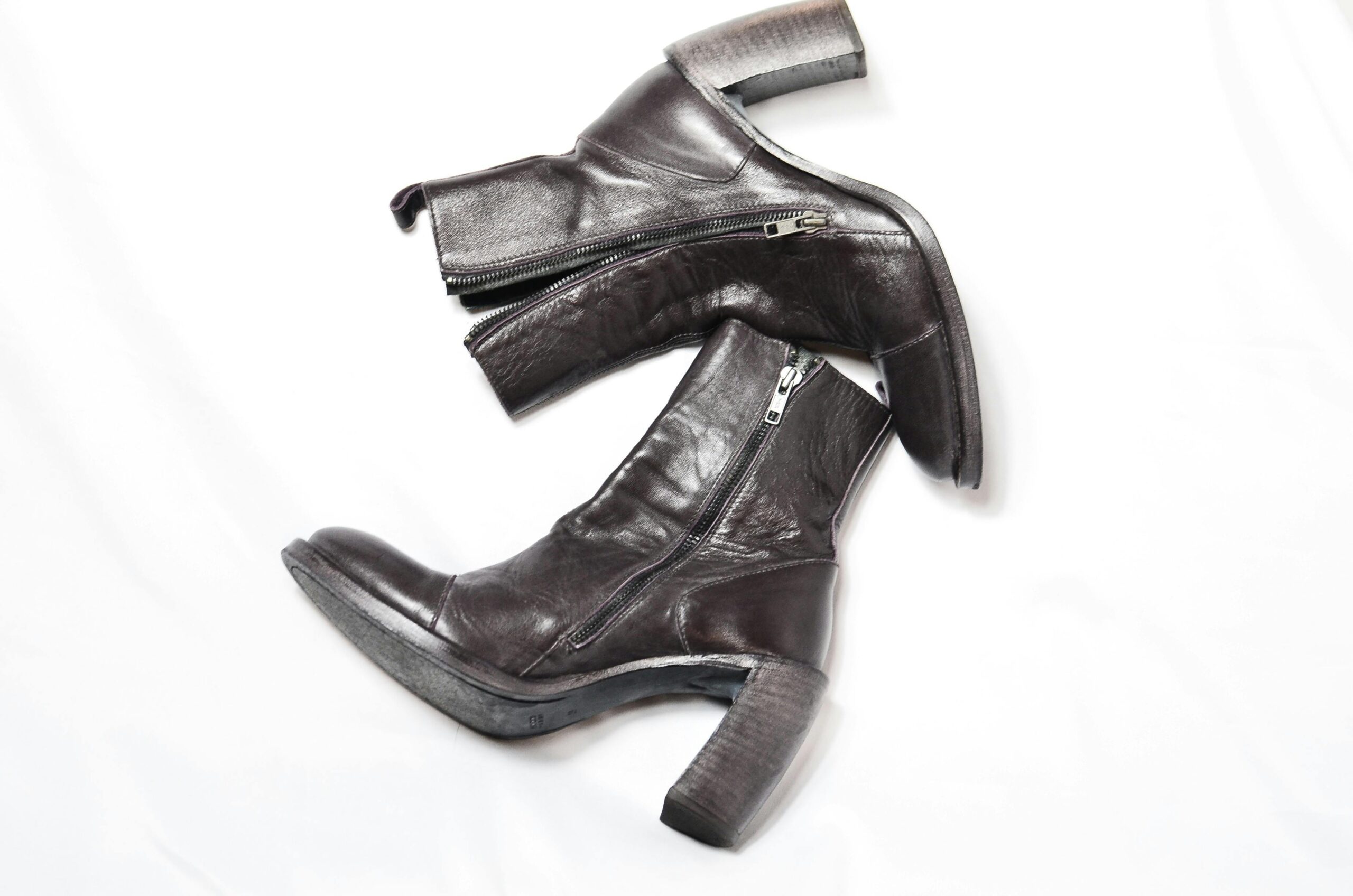
A Valentino embroidered butterflies sweatshirt retailed for as much as $2,450 (2,06,779.15 INR) for men and $3,290 (2,77,675.51 INR) for women in 2016: it’s a gap of $840 (70,895.87). A Gucci rhombus print silk shirt sold for men $1,100 (92,841.38 INR). The women’s version started at $1,390 (1,17,317.74 INR) and came with a ribbon necktie. The linen tank top of men’s wear at Balmain costs $295 (24,898.37 INR). For women, it costs $365 (30,806.00 INR). Another one is a white cotton t-shirt by Dolce & Gabbana that costs $265 (22,366.00 INR) for men and $295 (24,898.00 INR) for women.”. In December, the New York City Department of Consumer Affairs released a study examining the male and female versions of around 800 products available in the city, ranging from jeans and shampoo to children’s toys.
The findings revealed that, on average, the female items were priced 7% higher. For example, women paid an average of 8% more than men for apparel, a gap attributed to the pink tax. Pink Tax is that insidious process by which the things sold to women are taken to be more expensive than to men.
The lack of awareness aggravates the situation, making women pay even more for the same products with no other difference than their design for male use. This has had a tremendous economic burden on women, considering that they still earn less than their male counterparts. Some of the price differences may be accounted for by women’s apparel needing more elaborate handiwork, fabrics, or embellishment than men’s clothes, hence higher costs in materials and manufacturing.
According to Patricia Stensrud, the principal of Hudson River Partners, an investment and advisory firm located in New York, who has held leadership positions such as the US president of Tommy Hilfiger women’s sportswear, “The costs of these special features often have to be amortized somewhat over the entire line,” The term ‘Pink Tax’ originated from the idea of femininity where color “pink” usually symbolizes the post-World War II era.
There are many reasons that contributed to this development such as “sex color,” but the most important of these are manufacturers who wanted to increase their profits and control consumers’ trends while stopping the proliferation of children’s clothing. This association of pink with femininity percolated through the collective psyche of humanity worldwide, in the influence of different cultures, from the “Barbie Pink” trademark to pink taxis and parking spaces. And, too, from this came the misogyny encapsulated in the marketing slogan: “Shrink it, pink it, and women will buy it.”
So much of it is psychological; pricing serves as a means to create desire or elevate the stature of a brand or product,” says Kit Yarrow, consumer psychologist and Professor Emerita at Golden Gate University. “Women tend to believe there is a definitive link between price and the quality of the product they are purchasing, whereas men do so to a lesser extent.” She notes that women spend more money overall than men do: “Men tend to be more motivated by value in their shopping behaviors.”.
“Absolutely, ladies’ fashions are much more competitive than for men, and it indeed demands more effort to market your products in that sphere. But $100 difference for a t-shirt? To me, that makes no sense whatsoever, except for sheer opportunism,” says Yarrow.
Others explain the “pink tax” as “demand pricing,” where women spend more and are willing to pay more for fashion than men, leading some companies to charge them more. The women’s apparel market is projected to hit $936.3 billion in 2024, and the revenue in the Men’s Apparel market worldwide amounts to US$573.50 bn according to CAGR.
It exploits gendered expectations and inevitably deepens the divide of socioeconomic stratification.
This carries a subtle yet strong message: if buying an overpriced “feminine” product proves too costly, then maybe she is, after all, unworthy of the upper degree associated with such an experience, a clear indicator of classist and elitist tendencies within consumer culture. This strategy plays off the psychological appeal of high prices-branded as being associated with quality or status-and thus entrenches elitism by implying that those who cannot afford luxury are, somehow, less entitled to such “feminine” pleasures.
The social consequence of elitism then trickles both ways-downward toward consumers but upward, too, in a ripple effect through the entire labor chain of the fashion industry. These luxury brands symbolize successful exploitation of low-paid workers, many of whom are women, for the labor in producing these lavish products. Their scarcity only aids in reinforcing lifestyles that already are elitist, what luxury brands portray. Thus, the cycle of classism continues-the price tickets in such stores, one finds as a stark contrast to factory floors where the same people working upon producing those products cannot afford them either.
At last, the adoption of gender-neutral pricing in the fashion industry may send ripples of influence into other sectors. As consumers increasingly call for equal pricing on something as commonplace as clothing, this demand encourages a reevaluation in areas where gendered pricing persists, from personal care items to health products. In the end, companies find themselves compelled to prioritize fairness over profits derived from gender-based pricing strategies. Given that its main clientele is the female gender, the fashion industry has an excellent opportunity to be at the forefront of vanishing this deeply entrenched mentality whereby they work seriously towards eradicating it within their sphere.
On the contrary, however, it engages in acts meant to exploit exactly this kind of bias for its own interests. The pink tax then becomes a consolidated and multifaceted concept that represents or shows the more profound differences between the sexes in culture and society. Implications are striking and disturbing: It projects a view that a woman’s style and in general beauty as well as self-expression are likely to cost much more, as if some premium should be paid only for a right to display her femininity. In fact, this policy badly undermines and erodes consumer trust at a time when buyers are growing bolder in demanding transparency, honesty, and, above all, ethical standards from the thousands and thousands of brands they choose to support and engage with.
This fight against the pink tax has been well beyond the clothing line for a long time and speaks more about an attack on a greater problem-a system taking advantage of consumers based purely on their gender. Brands honor the customers and give them dignity, so they should offer fair pricing that reflects justice and equality for all. Until that day arrives, when actions take form, the message could not be clearer: the fashion industry stands to gain significantly from the persistent inequalities that exist within society, as conditions remain unchanged.