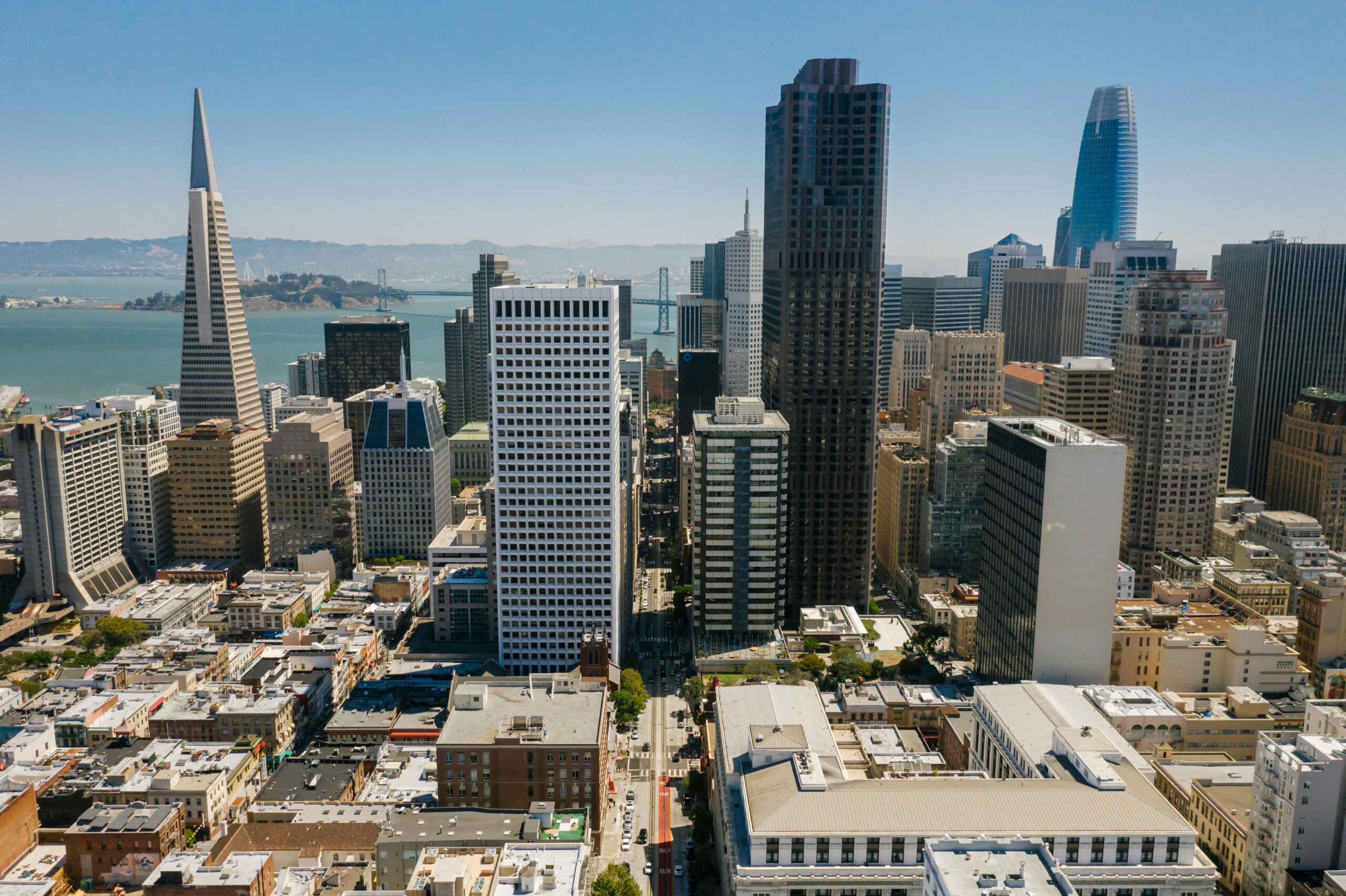
Urban living is going through a seismic shift with the emergence of “Meta Cities”—futuristic urban settings integrated with advanced technologies with sustainable living situations. As global population swells and urban challenges grow with the concern to cater to the needs of people, meta cities offer a vision of optimized resource management and intelligent infrastructure to enhance the living quality.
The concept of “meta city” involves transforming urban planning and integrating advanced technologies like artificial intelligence (AI), the Internet of Things (IoT), and blockchain to establish efficient living standards that align with sustainability in urban living. This approach is being developed and implemented to assess whether it can address the challenges of rapid urbanization and resource management. The use of smart systems to optimize energy use and transportation and foster economic growth and environmental sustainability is one of the advantages of Meta City. The rise of smart city initiatives worldwide signals a shift towards a more connected and efficient urban future.
The global movement toward smart cities is an international commitment strongly influenced by the United Nations Sustainability Development Goal (SDG) 11, which aims to “make cities and human settlements inclusive, safe, resilient, and sustainable.” The UN’s SDG 11 emphasizes the promotion of innovative urban planning and the adoption of digital solutions to boost efficiency and sustainability.
According to ScienceDirect, the Meta City framework has the potential to assist cities in making well-informed decisions and optimizing resource allocation more effectively, thereby bearing substantial implications for SDG 11 across diverse perspectives including urban planning, energy, public health, economy, etc.
India is at the forefront of smart city development with its Smart City Mission, launched in 2015. This initiative focuses on citizen-centric digital services, e-governance, and environmentally sustainable infrastructure. This project, according to the Indian Ministry of Housing and Urban Affairs, has transformed over 100 cities across India by focusing on transformation, emphasizing improved waste management, traffic control, and digital governance.
Meta cities rely on cutting-edge digital ecosystems to enhance urban management. AI and IoT are being used as AI-powered traffic management systems; real-time monitoring and predictive analytics are the keys to revolutionizing urban planning. Research from the McKinsey Global Institute suggests that AI-driven systems can reduce urban congestion by 20%–30% through optimized traffic control.
The next key tech is blockchain, which is used to secure the digital transactions and improve urban governance to ensure transparent data sharing. A report from INATBA (International Association for Trusted Blockchain Applications) highlights that blockchain-enabled smart contracts have streamlined administrative processes in European smart city projects.
As the main goal is to maintain sustainability and use renewable resources, smart cities like Masdar in the UAE are being designed as net-zero energy hubs. According to a report by PwC, Masdar City’s eco-friendly buildings are designed to reduce energy and water consumption by at least 40%, with some surpassing this figure, positioning it as a blueprint for sustainable urban development.
NEOM in Saudi Arabia and Songdo in South Korea are also smart cities that are built with the same goals towards sustainability and efficiency. NEOM, the smart city in Saudi Arabia, is a futuristic, AI-driven city integrating high-speed transport and renewable energy. According to a report by The Wall Street Journal, the development cost is $500 billion, highlighting the significant investment required for large-scale projects to develop smart cities.
The smart city Songdo in South Korea is built from scratch, resulting in the incorporation of IoT for real-time data management. A study published in Informatics highlights that South Korea’s second-wave smart cities, which include Songdo, have higher scores in smart energy transition compared to first-wave and non-smart cities, indicating a positive impact of smart city development on energy efficiency.
It is undeniable at this point that Meta City, or smart city, is actually accelerating the pace of the economy. The World Bank reports that cities generate over 80% of global GDP, underscoring the significant economic impact of urban development initiatives. The developing urban landscape opens wide opportunities for personal and social growth.
Moreover, a report by Frost & Sullivan estimates that smart city initiatives could generate $2.46 trillion in business opportunities by 2025, spanning sectors such as technology, infrastructure, and energy. This projection highlights the economic potential of investing in urban digital transformation.
Smart cities not only drive the economic growth but also the living standard as well. Research from the World Bank Urban Sustainability Division highlights that smart cities promote healthier environments, lower crime rates, and better public services. A study conducted by McKinsey & Co. found that residents in digitally enhanced urban environments experience a 20–30% reduction in commute times due to AI-optimized public transportation.
It is also crucial to understand that a meta city and a smart city aren’t the same, as they only share similarities. While the terms smart city and meta city are often used interchangeably, they represent different stages of urban evolution. A smart city leverages digital technology, IoT, and AI to enhance infrastructure, optimize resources, and improve public services, focusing on efficiency and sustainability. Examples include Songdo, South Korea, which integrates IoT for real-time urban management, and Singapore, known for its AI-driven traffic control and smart governance.
In contrast, a Meta city goes beyond these ideas by integrating AI-driven governance, blockchain-based administration, and Metaverse technologies to create a hyper-connected, immersive urban ecosystem. It envisions decentralized urban planning, virtual interactions, and self-sustaining economies. NEOM in Saudi Arabia, particularly “The Line,” exemplifies this concept with its AI-managed infrastructure, zero-carbon environment, and digital twin technology for real-time city monitoring. While smart cities improve urban living through data-driven solutions, meta cities aim to redefine it by merging the physical and digital worlds.
Even though Meta Cities contribute to the greater societal good, there are challenges that need to be overcome in order to implement the plans of Meta City. The first challenge is the financial barrier. As meta cities require advanced technology and robust infrastructure to support sustainability and efficiency, sufficient funding must be allocated to achieve long-term growth and success.
Access to technology varies significantly across national and international borders. A report by the Brookings Institution highlights that many cities, particularly in developing nations, face substantial financial and infrastructural barriers that impede the large-scale implementation of smart city technologies. These challenges include high investment costs, inadequate digital infrastructure, and limited technical expertise.
Similarly, a study by the Organisation for Economic Co-operation and Development (OECD) highlights the digital divide in urban development, revealing that many cities in lower-income nations lack sufficient access to digital tools necessary for smart city integration. This limitation hampers the potential benefits of urban digitalization in these regions.
The Meta City is indeed an idea that is to be developed and catered to the global need in order to sustain the globe’s resources and channelize the resources to the path of efficiency. The development in Meta Cities is bound to improve with the increasing AI driven services and digital connectivity. Meta cities represent a unique opportunity to reshape urban landscapes, ensuring that technology serves both economic progress and societal well-being.