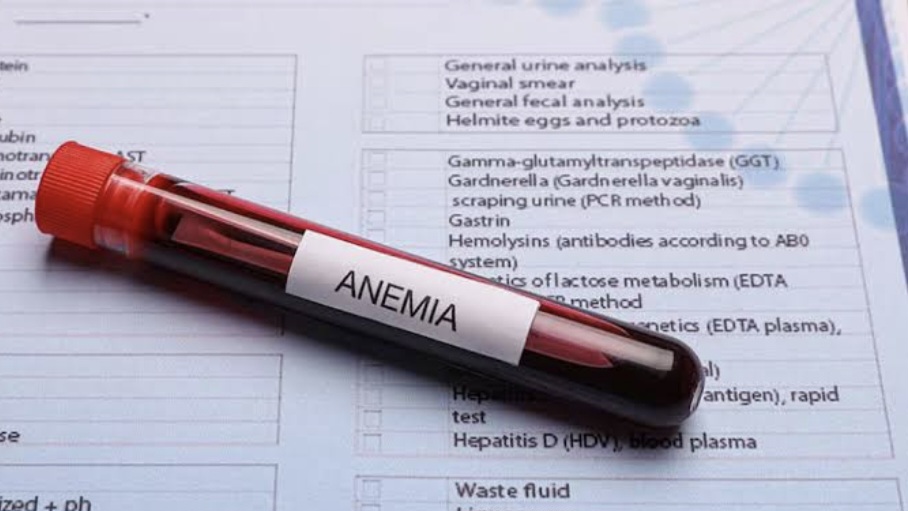
Tamil Nadu’s Anaemia Burden: 57.4% of Children Aged 6–59 Months Affected, NFHS-5 Reveals.
Prevalence of Anaemia Among Children Aged 6–59 Months in Tamil Nadu, NFHS-5 (2019–21)
According to the NFHS-5 State Report (2019–21), 57.4 percent of children aged 6–59 months in Tamil Nadu are anaemic. Anaemia is classified based on haemoglobin levels, and it affects oxygen circulation in the body, leading to fatigue, poor immunity, delayed cognitive development, and impaired physical growth. In early childhood, iron deficiency anaemia can result in long-term consequences such as reduced learning ability and lower productivity in adulthood. Despite Tamil Nadu being ranked among the better-performing states in health and nutrition indicators, the data reveals that more than one in two children under five are affected.
The age-wise distribution indicates that the burden is highest among younger children. Children aged 9–11 months show a prevalence of 68.9 percent, 12–17 months show 67.2 percent, and the highest prevalence is among 18–23 months at 71.0 percent. Even infants aged 6–8 months show 61.1 percent anaemia. The percentage gradually declines with age, reaching 41.1 percent among children aged 48–59 months. This pattern suggests that the transition period from breastfeeding to complementary feeding between 6 and 23 months may be nutritionally vulnerable. Inadequate iron-rich foods and dietary diversity during this critical growth phase may contribute significantly to the spike.
The severity classification shows that 27.0 percent of children are mildly anaemic, 28.6 percent are moderately anaemic, and 1.8 percent are severely anaemic. Although severe anaemia remains comparatively low, the high proportion of moderate anaemia indicates chronic nutritional deficiencies rather than isolated medical episodes. Moderate anaemia at such scale reflects systemic gaps in dietary intake, supplementation coverage, and maternal nutrition.
The rural–urban comparison shows disparity. In rural areas, 60.4 percent of children are anaemic, compared to 53.7 percent in urban areas. Rural children therefore face nearly a seven percentage point higher burden. This difference may be linked to variations in income levels, food diversity, healthcare access, and awareness of nutritional practices.
Social stratification further highlights inequality. Among Scheduled Tribe children, anaemia prevalence is 74.0 percent, the highest among all caste categories. Scheduled Caste children show 61.9 percent, Other Backward Classes show 55.1 percent, and children belonging to other castes show 55.8 percent. The significantly higher burden among Scheduled Tribe communities reflects structural disadvantages and limited access to nutritional resources and healthcare services.
Mother’s education presents a visible gradient. Children whose mothers have less than five years of schooling show 73.8 percent prevalence, the highest among educational categories. Children of mothers with no schooling show 58.1 percent, while children of mothers with 12 or more years of schooling show a lower prevalence of 54.7 percent. The data suggests that maternal awareness, nutritional knowledge, and healthcare-seeking behaviour may influence child health outcomes.
The intergenerational relationship between maternal and child anaemia is also evident. Among children of non-anaemic mothers, 51.8 percent are anaemic. This percentage increases to 59.1 percent when mothers are mildly anaemic and rises further to 65.6 percent when mothers are moderately or severely anaemic. The data indicates a cycle of nutritional deprivation where maternal iron deficiency directly influences child health outcomes.
Gender differences remain minimal, with 58.6 percent of male children and 56.0 percent of female children classified as anaemic. This suggests that anaemia in Tamil Nadu is less influenced by gender discrimination and more by nutritional and socio-economic factors. Birth order also shows variation, with first-born children at 55.4 percent and children of birth order four or five at 66.7 percent, indicating that larger family size may dilute household nutritional resources.
The survey covered 5,193 children in Tamil Nadu. The findings demonstrate that anaemia remains a widespread public health concern even in a state with relatively advanced healthcare infrastructure. While severe anaemia cases are limited, the dominance of moderate anaemia signals chronic dietary insufficiency rather than emergency medical conditions. The concentration of higher prevalence among infants, rural populations, tribal communities, and children of anaemic mothers highlights the need for targeted nutritional interventions.
Anaemia in early childhood has long-term implications for human capital development. Reduced cognitive performance, lower immunity, and diminished work productivity are potential consequences if deficiencies persist. Although Tamil Nadu has established maternal and child health programmes, the NFHS-5 data suggests that sustained and focused policy measures addressing maternal nutrition, complementary feeding practices, and social inequality are necessary to break the intergenerational cycle of anaemia.
