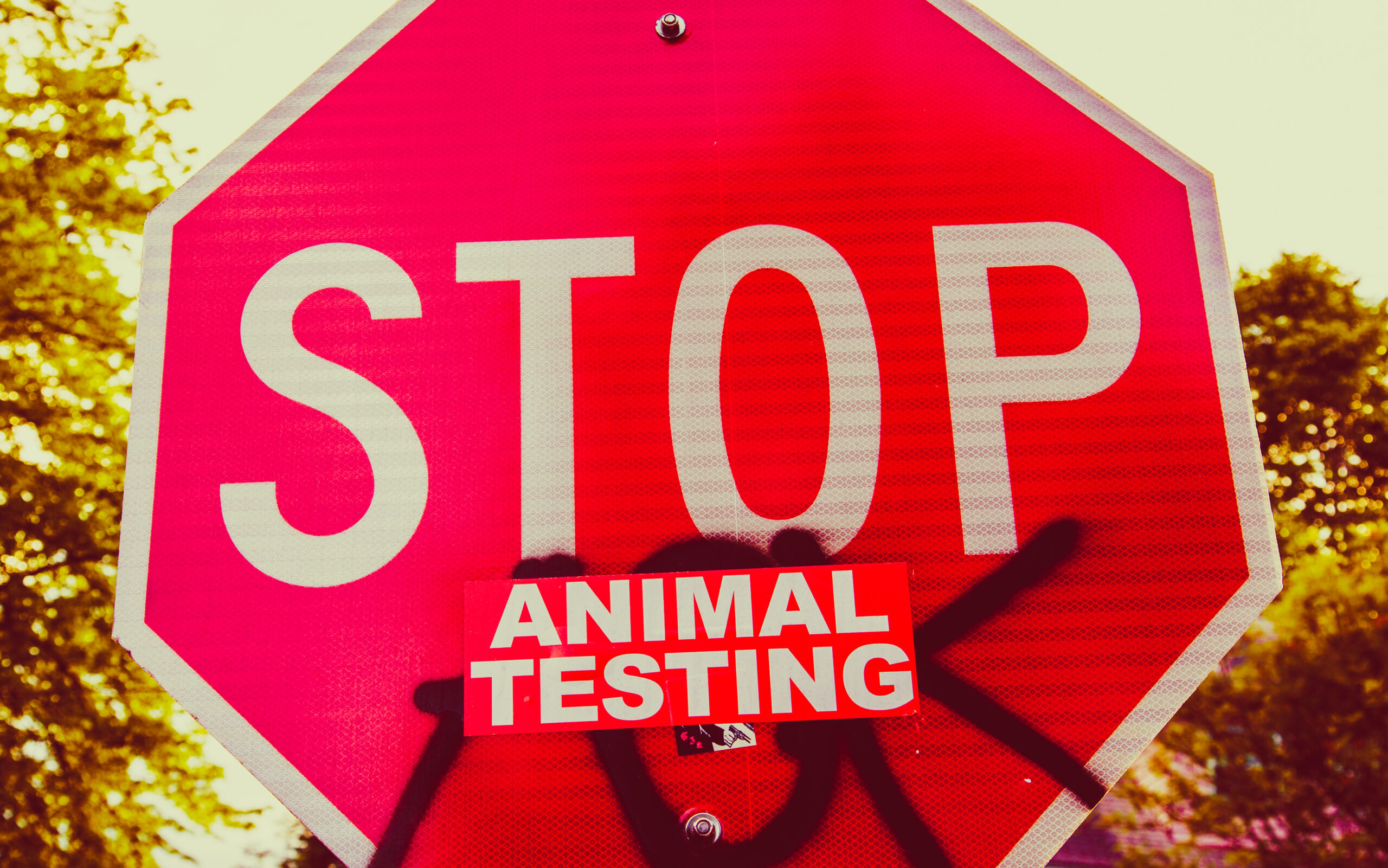
From intentionally dropping cosmetic products into a rabbit’s eyes to check for reactions to injecting tumours into mice and doing it for years, only for the drug to never make it to the market. Animal testing is a barbaric practice that’s been happening for many years where animals are subjected to torture, essentially, in the name of testing the safety of a product for consumption. The first known animal usage in experiments dates back to 500 B.C in ancient Greece where animals were cut up for studying and it eventually became mandatory to test drugs and other cosmetic products on animals during clinical trials. However 45 countries including India have banned animal testing for cosmetic products. In 2023, the Indian government allowed researchers to use non animal methods for trials of drugs and as of 2022, the FDA no longer required animal testing for drugs. Despite this many countries still follow animal testing and brands that sell in China without PETA or Leaping Bunny certification, two certifications that are given to brands after verifying their products and ingredients used are not tested on animals, are subject to post market animal testing. Here are five reasons why animal testing is unnecessary:
The physiology of humans and that of animals subjected to animal testing are vastly different thus when a drug is deemed safe through animal testing, it doesn’t guarantee the drug is safe for human consumption. An example of this unreliability would be Vioxx, a prescription drug used to treat arthritis pain, menstrual pain and acute pain. It was introduced in 1999 and withdrawn from the market in 2004 after an estimated number of 1,40,000 heart attacks and strokes and 60,000 deaths worldwide according to FDA researcher David Graham. This drug was found to be safe on monkeys and five other species. Another example would be the testing of a new monoclonal antibody treatment (TGN1412) at Northwick Park Hospital, UK. This drug failed to predict detrimental side effects on monkeys at 500 times a dose, but a single dosage led to severe immune reactions on human volunteers and almost cost them their lives. Further in 2004, the FDA estimated that 92% of drugs that pass preclinical tests which include animal testing never made it to the market.
Drugs that fail animal testing are generally abandoned for further development. However certain drugs that are found to be toxic in animals are available in the market for consumption as they are safe and beneficial to humans. These drugs were developed before animal testing became a requirement and this defeats one of the main purposes of animal testing which is to identify the safety and efficacy of a drug for human consumption. Drugs that are likely to be beneficial to humans don’t make it past the lab after failing animal testing. Penicillin is a group of antibiotics which is toxic for guinea pigs but used to treat bacterial infections. Paracetamol is used to treat mild to moderate pain and fever however it is found to be toxic in dogs and cats.
Humans and animals have vastly different physiologies. Animals used in trials don’t get some of the severe diseases humans combat against such as major types of heart disease, many types of cancer, HIV, Parkinson’s disease, Alzeimer’s disease etc, and these diseases are artificially induced in animals. The limitations of this method start right from accurately inducing the disease to ensuring this little tampering does not affect the results produced. Stroke researchers have struggled to replicate it in animals as they not only have to replicate the disease but also its predisposing factors. Atherosclerosis is a major factor that contributes to ischemic stroke, however most animals do not naturally develop it. The lack of success in replicating a disease down to its similarities and relevance to humans, in this case stroke, has led to a significant failure in the development of the drug. Over 114 therapies tested on animals have failed in human trials.
Animals used in testing are placed in a cage for almost their whole life and are subject to inhumane treatment. They are almost always in captivity in unhygienic places and fed at long intervals. Some of the brutality they undergo include being burned, shocked, isolated, starved, poisoned, drowned, drugged and brain damaged. These animals develop severe stress and anxiety which shows changes in a physiological level with increase in heart rate, blood pressure and cortisone levels. By the end, these animals either die on their own or are disposed of once they are deemed useless. Not all of them are protected by law, not all experiments follow standardised procedures and not all experiments disclose the methods used, actual budget and the exact number of animals subjected to testing. Over the years, the Committee for the Purpose of Control and Supervision of Experiments on Animals (CPCSEA), a statutory body formed by the Indian Parliament, have rescued animals that were illegally experimented on from institutes such like All India Institute of Medical Sciences; Maulana Azad Medical College; College of Pharmacy, Delhi University; King Institute, Chennai; Bombay Veterinary College, Parel; and College of Veterinary Sciences, Marathwada University – as well as research centres such as Jai Research Foundation, Ahmedabad; Vaccine Institute, Vadodara; Bengal Chemicals, Kolkata and each institute was found to have violated different guidelines of the CPCSEA’s Prevention of Cruelty to Animals Act, 1960. They were found to be living in poor conditions and severely injured with no proper food and water provided. In the US, only five percent of animals are protected by law and labs are not required to disclose data on animals frequently used in experiments. Adding on to this is that not all drugs make it past clinical trials.
Decades have gone since animal testing became a requirement and with the advancement of science, alternatives have been discovered. These alternatives aim to follow the 3R’s in animal studies which are: Replacing animals with non-animal systems such as computer models or biochemical or cell-based systems; Reducing the number of animals required for testing and refining methods that reduce pain and distress in animals. In vitro, experiments are conducted where trials are done outside the body using lab cultured cells. Stem cells are used to obtain mini organs that closely replicate the functioning of humanorgans and these provide results that are more accurate. Computing platforms are used to model biological processes and predict the effects of previously untested chemicals and drugs. Results produced by these methods take into consideration the differences in condition of humans and give a more effective outcome without harming animals.
The study The Flaws and Human Harms of Animal Experimentation by the author speaks about translational issues that occurs in animal experiments due to various external and internal factors; in Limitations of Animal Studies for Predicting Toxicity in Clinical Trials, the author covers in details areas where animal testing for drugs could go wrong; and the paper Ethical considerations regarding animal experimentation gives an overview of the pros and cons of animal testing, the principles followed as well as alternatives.
Thus in 2024, where we have research and studies that support the lack of necessity and reliability of animal testing as well as useful alternatives, animal testing should be stopped, and the law should protect all animals from this inhumane treatment.