From Couture to Common: How Luxury Labels Follow Fast Fashion’s Lead
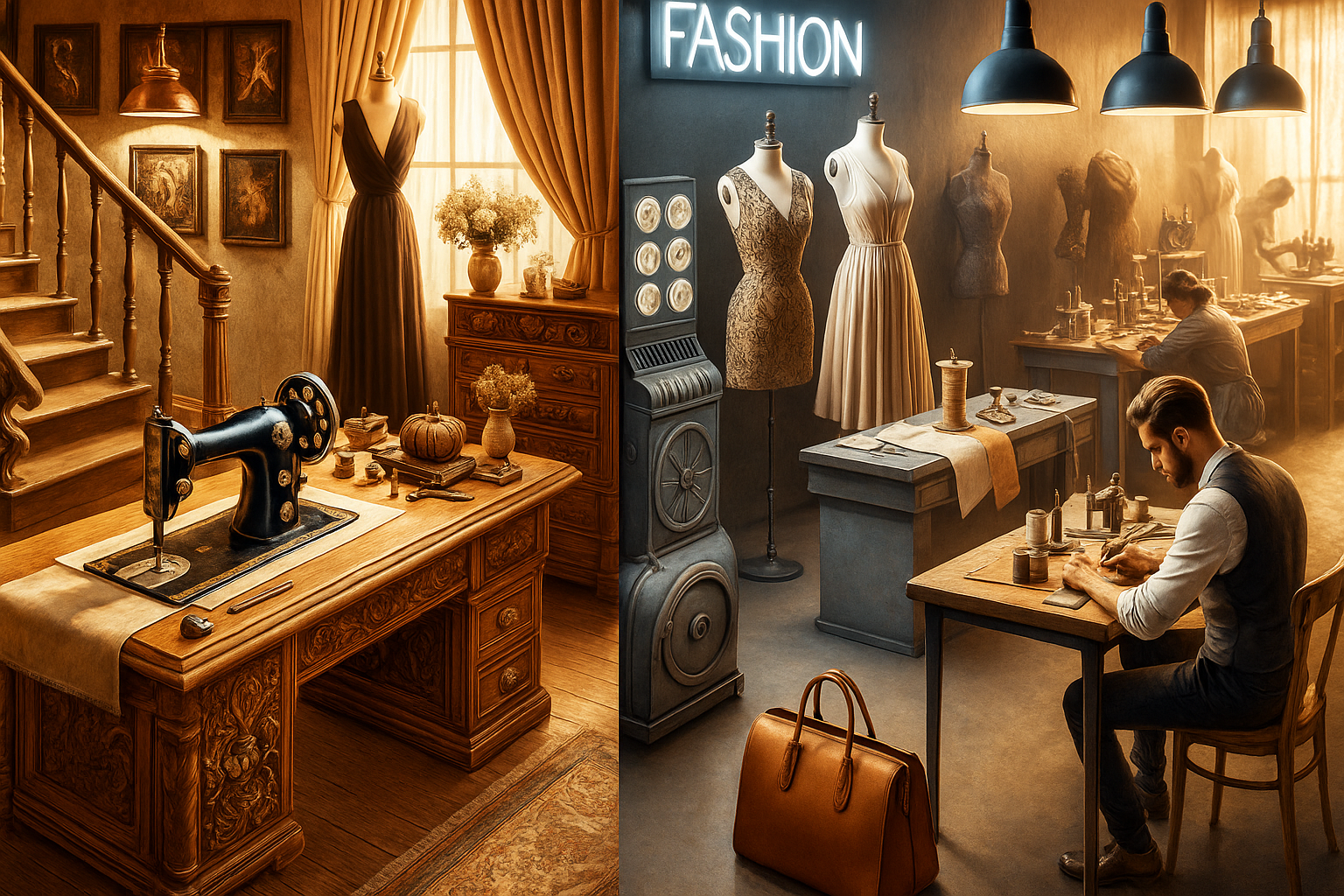
Luxury fashion has traditionally been associated with exclusivity, craftsmanship, and timeless appeal, catering to a niche, affluent audience. These brands create high-quality, often handmade products, released in limited collections. However, the rise of fast fashion, with its affordable, trendy, and rapidly produced items, has dramatically influenced the broader fashion industry. As luxury brands adopt fast fashion strategies, the exclusivity that once defined them is being diluted.
Luxury fashion’s hallmark has always been its exclusivity. Brands such as Hermès, Chanel, and Louis Vuitton have built reputations on meticulous craftsmanship, premium materials, and limited production. These brands target a wealthy clientele, offering products that embody status and heritage. For instance, a Hermès Birkin bag can take 48 hours to craft by hand, with prices starting at US$ 10,000, The scarcity of these products further amplifies their allure.
Luxury brands’ traditional positioning was designed to create a sense of timelessness. Products are often viewed as investments that retain or increase in value. In 2021, a report by Art Market Research showed that some luxury handbags, particularly Hermès models, have appreciated by 17.5 percent annually since 2010, outperforming art and gold as investment assets.
Fast fashion brands like Zara, H&M, and Forever 21 revolutionized the fashion industry by creating affordable, trendy clothing that could be produced and delivered in weeks rather than months. Their business model focuses on quickly adapting to ever-changing trends and offering a large variety of styles at low prices. In 2022, the global fast fashion market was valued at $99.23 billion, according to Statista, demonstrating its dominance in the global market.
These brands cater to the masses, with a focus on speed and volume. The speed of production and ability to mimic runway styles within weeks have enabled fast fashion brands to keep pace with consumer demand for newness. A report from McKinsey in 2020 noted that the average number of fashion collections released by major retailers has increased from two per year to five or more, driven by fast fashion’s influence.
In recent years, several luxury brands have embraced fast fashion practices. Gucci, for example, has shortened its production cycles and increased the frequency of new collections. Similarly, Balenciaga and Burberry have adopted faster production techniques to keep up with market demand. High-fashion brands have also embraced streetwear, a trend that fast fashion thrives on. Brands like Louis Vuitton and Dior have incorporated streetwear elements into their collections, appealing to younger consumers who prioritize trends and accessibility.
Collaborations with influencers and celebrities have further eroded the exclusivity of luxury fashion. Partnerships like Louis Vuitton x Supreme, or H&M x Balmain, blur the lines between high-end and mass-market. In addition, luxury brands are increasingly using lower-cost materials and faster production techniques to keep up with the rapid pace of fashion trends.
This shift can also be seen in the creation of secondary, more affordable lines by luxury brands. For example, Michael Kors and Coach have launched product lines at lower price points, making their brands more accessible to a broader audience. In 2022, Michael Kors’ parent company Capri Holdings reported that its revenue from lower-cost lines grew by 14.1%, highlighting the success of this strategy.
The convergence of luxury and fast fashion has led to a diminishing distinction between the two in terms of marketing and target audience. The democratization of fashion, largely driven by social media platforms like Instagram and TikTok, has made luxury brands more accessible to the masses. Influencers often promote luxury goods alongside fast fashion items, making high-end products appear more attainable.
This has led to a shift in brand perception, which may risk alienating their traditional customer base. Where once luxury brands were symbols of exclusivity and wealth, they are now marketed more widely, appealing to a broader audience. As millennials and GenZ consumers now account for the majority of luxury purchases, wealthy, long-term clients who value exclusivity may feel disillusioned by the brand’s wider appeal and the perception that luxury has become too accessible.
At the same time, luxury brands are attracting new customer bases, particularly younger, trend-driven consumers. However, this group may lack the long-term brand loyalty that has traditionally sustained luxury fashion houses. For instance, Burberry faced backlash in 2018 when it was revealed that the brand had destroyed millions of dollars worth of unsold stock to maintain its exclusivity. The practice was eventually discontinued, but it highlighted the tension between maintaining exclusivity and appealing to a broader audience.
The rise of “affordable luxury” has changed the way consumers perceive high-end products, often viewing them as more disposable and trend-driven.
Fast fashion principles undeniably influence the evolving landscape of luxury fashion. While this shift has made luxury more accessible to a broader audience, it also poses challenges to maintaining the exclusivity that has long defined the industry. As luxury brands continue to adopt fast fashion tactics, the future of luxury fashion will depend on how well they can balance mass appeal with the timeless, exclusive allure that once set them apart. luxury brands will need to find a balance between maintaining their exclusivity and staying relevant in a fast-paced, trend-driven market. The future of luxury may lie in innovation, sustainability, and creating personalized experiences that go beyond mass appeal. Brands that successfully navigate this transition, while maintaining their core values, will likely be the only ones that continue to thrive.