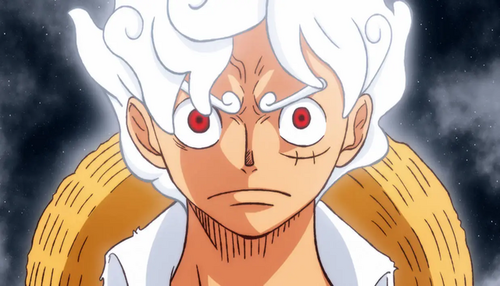
From Niche to Mainstream: The Rising Tide of Anime Culture in India
Anime, a unique form of animated series and films, primarily originates from Japan and stands out for its vibrant drawings and colourful illustrations. Manga, Japanese comics, or graphic novels primarily serve as the inspiration for anime. Anime shows subsequently adapt the manga. Anime encompasses a wide variety of genres, such as Isekai, Josei, Shounen, seinen, shoujo, and others. These genres are similar to western genres such as action, adventure, romance, and horror. This diversity enables the identification of distinct art themes and storylines within the overall story. Anime content aims to appeal to a wide range of audiences from all age groups, unlike Western animations that typically target children.
In the past few years, anime has experienced an enormous spike in popularity throughout India. Platforms such as Netflix, Crunchyroll, Amazon Prime, and Jio Cinema deserve recognition for their perfect online viewing platforms, enabling their users to watch the latest episodes of their favorite anime shows at a minimum monthly cost through membership purchases. These platforms also encourage new audiences by providing free anime access, but in return, they have to see ads and wait a few days to be able to watch trending episodes and the latest released episodes. The main purpose of this is to entice users to invest their money in memberships, enabling them to enjoy unlimited access to the shows without any delay. However, there are numerous illegal websites that offer free anime streaming and downloads to their audience without any restrictions. Occasionally, these websites may have a limited collection of anime or face a significant risk of legal action due to copyright violations.
Anime are mainly developed and recorded in Japanese, but this leads to a language barrier for anime fans who don’t know how to speak or understand Japanese, which interrupts the increasing popularity of anime globally. To address this issue and boost its global popularity, the anime incorporates English subtitles. Since many people can read and understand English, it serves as a crucial tool for connecting a global audience with anime. To enhance viewer engagement, local languages such as Hindi, Spanish, Chinese, and Korean are being dubbed for the anime. Channels like Cartoon Network, Hungama TV, Sonic, and Disney Channel India are credited in India for distributing anime to children through television. These channels have aired popular anime shows such as Pokemon, Beyblade, Doremon, Shin-chan, and Dragonball in Hindi, and they continue to air new generation anime like One Piece, My Hero Academia, Naruto, One Punch Man, and many other popular and latest anime shows in English and other Indian regional languages like Hindi, Tamil, Telugu, and Malayalam. This led to the creation of a huge anime fan base on social media platforms. This fan base is responsible for requesting all new anime shows dubbed in Hindi and English, as well as for creating a large community that enjoys sharing and discussing various anime contents, such as story twists, theories predicting the future of anime, and the creation of famous memes and collections of famous scenes from the anime that people enjoy watching repeatedly. Not only does this create strong connections with other anime fans across the world, but it also enables the creators to generate significant profits by operating these social media pages effectively.
Despite this, many anime fans prefer to watch anime in its original audio (Japanese) with subtitles, as many anime episodes are dubbed quickly. They believe that the original language voice captures the correct emotions related to the scene, enhancing the overall anime viewing experience. As a result of regularly watching anime in Japanese, many individuals acquire a few common Japanese words and slangs, attempt to incorporate them into their daily lives, and are often inspired to learn the Japanese language. On the other hand, people also draw inspiration from anime’s unique style and colour pattern, incorporating it into their own illustrative and animated works with a blend of their own style. Anime is renowned for its engaging and intricate storytelling, which is why it is often adapted into live-action series such as One Piece, Death Note, and Tokyo Revengers. People who are unfamiliar with anime or prefer to watch live action series or movies instead of animated shows find their interest piqued by this. However, producers often shorten live action episodes compared to real anime episodes to cover the entire story in a few seasons, thereby reducing the production cost.
Anime, once underrated in India, was cherished by its dedicated fans due to its unique storytelling and unique cultural significance of Japan, where people learned about the workings of Japanese culture and how it differed from their own. Anime shows, such as Naruto, serve as a platform for moral knowledge, offering a clear depiction of real-world issues. However, as anime gained widespread popularity, it began to lose its charm and impact. This is because some of the new fans do not get attached to the anime show or do not even like to watch it as it was made, but all they prefer to do is follow the trend to declare themselves as avid anime fans after only a few shows. This shift in fandom has led to the creation of stereotypes, where individuals attempt to display their limited knowledge about anime and Japanese culture as badges of honour, without understanding the true depth of the anime’s story and its cultural impact. While many new anime fans love and respect the anime’s storytelling and understand its importance, it’s highly possible that anime may lose its authenticity and real meaning due to the fan base created by the trend and availability of content in many languages and platforms.