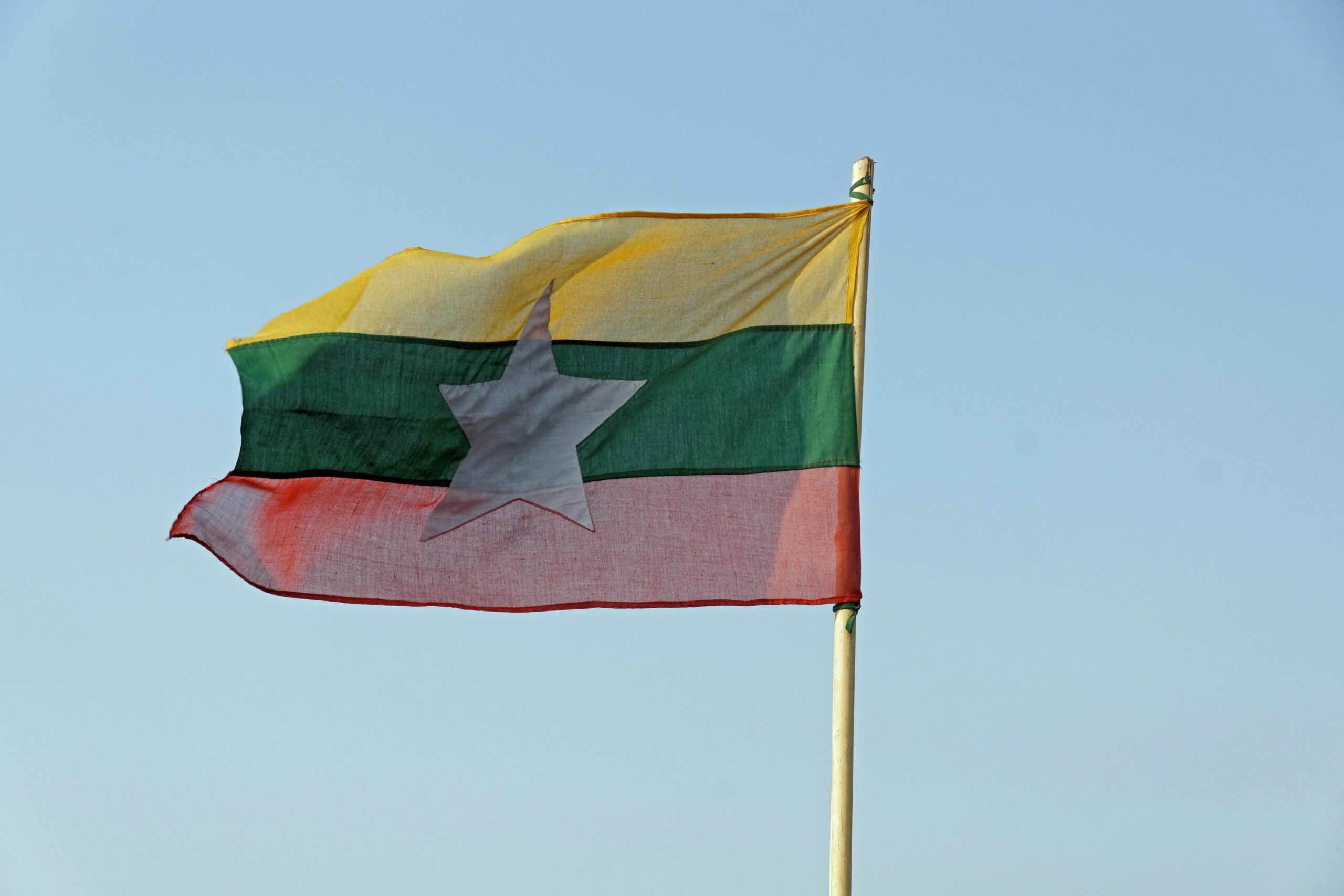
Shifting Sands: Myanmar’s Political Landscape Years After the Revolution
Myanmar has been at the epicenter of political turbulence since the military coup on February 1, 2021. This event not only dismantled the fragile democratic gains made over the previous decade but also thrust the nation into one of its most prolonged periods of political and social unrest. The coup, orchestrated by the military, known as the Tatmadaw, toppled the democratically elected government led by Aung San Suu Kyi’s National League for Democracy (NLD), citing unsubstantiated allegations of electoral fraud in the 2020 general elections. This abrupt seizure of power unleashed a wave of national resistance, the effects of which continue reverberating throughout Myanmar’s political, economic, and social fabric. The immediate aftermath of the coup saw the rise of the Civil Disobedience Movement. This grassroots protest movement brought together different segments of Myanmar’s society, including workers, students, civil servants, and ethnic minorities.
Protesters stormed the streets of major cities including Yangon and Mandalay demanding a return to democratic rule. The Tatmadaw reacted with brutal force: live ammunition, mass arrests, and arbitrary detentions. Until 31 December 2023, AAPP documented over 3,800 killing-connected arrests regarding the crackdown, while more than 24,000 people have been imprisoned for their activities opposing military rule. Due to the violent nature of the economic sphere, Myanmar’s economy depreciated profoundly in the same period. According to World Bank estimates, sanctions imposed by Western countries and the internal dislocation of industries and markets have resulted in a contraction of 18 percent in GDP in 2021.
Key sectors such as manufacturing, agriculture, and tourism experienced significant devastation, leading to extensive job losses and a marked rise in poverty levels. The economic collapse additionally disrupted essential services, including healthcare and education, thereby further intensifying the suffering of the general populace. The military had already intensified its control over such essential resources as natural gas exports and banking networks. Emphasis on consolidating power would not help the nation’s economic recovery.
The military resistance has evolved into a multilateral struggle with both new and old forces of opposition. The National Unity Government, formed by the NLD lawmakers who were removed, ethnic leaders, and activists, has established itself as a parallel government. It has received massive moral support from Myanmar’s citizens and the diaspora but, so far, has received only limited international recognition since major powers weigh the risks of openly supporting a government in exile. On the ground, the People’s Defense Forces (PDFs), a loose network of civilian militias, have been at war with the military. With them have marched established EAOs such as the Kachin Independence Army and the Karen National Union which have called for autonomy for decades.
This coalition is the most unprecedented coming together of Myanmar’s various opposition factions. Collectively, these groups have achieved great success on the ground, especially in the countryside where the military is less visible. Yet, these groups are disjointed and suffer from problems of cooperation, resources, and strategic thinking. Internationally, the crisis in Myanmar has elicited a number of responses. Western countries, including the United States and members of the European Union, have applied targeted sanctions against the military leaders and their businesses.
In short, these measures have revealed certain limitations in Tatmadaw’s ability to hold power. Regional powers, in particular China and India, adopted more cautious policies in the interim period, which placed greater emphasis on strategic and economic interests rather than direct intervention.
Specifically, China has kept ties with the junta while it simultaneously engages with the National Unity Government to protect its interests in infrastructure projects related to the Belt and Road Initiative.
ASEAN’s attempts at mediation in its Five-Point Consensus have been largely ineffective so far because the bloc is largely unable to apply much coercion on the junta by virtue of internal divisions alone. The humanitarian crisis unleashed by the coup is yet another consequence of the coup that is severe on its own. The United Nations estimates that the number of internally displaced reaches over 1.5 million, while thousands find refuge in neighboring countries such as Thailand and India. Humanitarian access is only slightly improved, as the army frequently blocks aid efforts, and the collapse of Myanmar’s healthcare system, weakened by its inability to withstand the blows of continuous war and a pandemic, leaves millions bereft of basic medical care. An uncertain political future hangs over Myanmar even as the war continues. Although the resistance forces have shown significant resilience, their ability to withstand protracted battles with the more-equipped military is uncertain. Meanwhile, the Tatmadaw’s reliance on violence and repression to maintain control has created massive discontent, pushing the chasm between military and civilian populations deeper. The protracted nature of the conflict brings with it increasingly entrenched divisions that create a significant challenge for any initiatives at reconciliation and nation-building. The Myanmar crisis is a somber reminder of how democratic transitions become vulnerable to established authoritarianism. Even as the international community has been vocally supportive, its responses have all too often been inadequate in terms of delivering effective action and have forced the citizens of Myanmar to bear the brunt of the turmoil. The nation’s resilience and the strength of its resistance movements will be the most determining factors of its final outcome as it fights through its most difficult moment in recent history.